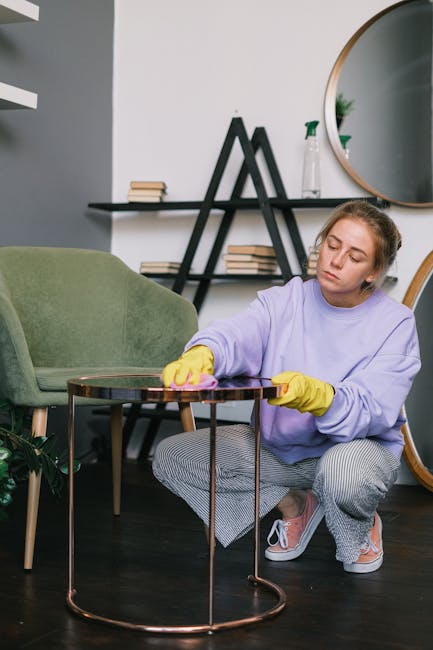
Upholstery cleaning for Holland Park homes: a practical guide to cleaner, fresher furniture
If you live in Holland Park, you already know the homes here tend to have a certain feel: well-kept, characterful, and usually furnished with pieces that are worth looking after properly. That is exactly why upholstery cleaning for Holland Park homes matters so much. Sofas, armchairs, dining chairs, and headboards pick up dust, body oils, pollen, food crumbs, pet hair, and the odd wine mark far more quickly than most people realise. And once fabric starts looking tired, the whole room can feel it.
This guide walks through what upholstery cleaning actually involves, how it works, what results you can realistically expect, and how to avoid the common mistakes that shorten the life of your furniture. You will also find a practical checklist, a simple method comparison, and a few local-minded considerations for busy London households. No fluff. Just the stuff that helps you make a sensible decision.
Quick takeaway: Regular upholstery care is not just about appearance. It helps protect fabric fibres, supports a cleaner indoor environment, and can delay the need to replace expensive furniture. In a home where people actually live, that is a pretty useful win.
Table of Contents
- Why upholstery cleaning matters in Holland Park homes
- How upholstery cleaning works
- Key benefits and practical advantages
- Who this is for and when it makes sense
- Step-by-step guidance
- Expert tips for better results
- Common mistakes to avoid
- Tools, resources and recommendations
- Law, compliance, standards, and best practice
- Options, methods, and comparison table
- Case study or real-world example
- Practical checklist
- Conclusion
- Frequently asked questions
Why upholstery cleaning for Holland Park homes matters
Holland Park homes often combine style with daily use. A velvet sofa in a sitting room, a pale linen chaise in a bay window, a set of upholstered dining chairs around the table, maybe a favourite reading chair that everyone fights over. Lovely. Also a magnet for dust, spillages, and slow dulling over time.
What makes upholstery cleaning especially relevant here is the balance between aesthetics and upkeep. In many homes, furniture is part of the design rather than an afterthought. Once fabric starts to look grey at the arms or flattened where people sit, the whole space can lose its polish. Truth be told, most people notice it before they know what it is.
There is also a hygiene side to it. Upholstered fabric traps particles deep in the weave, including everyday dust and allergens. That does not mean furniture is unhealthy, of course. It does mean a thorough clean can be useful for households with children, pets, guests, or anyone sensitive to dust. London life brings in its own layer too: open windows, urban particles, shoes on and off, and the constant in-and-out routine that comes with busy streets.
If you are already thinking more broadly about keeping your home in shape, it can help to look at connected services such as deep cleaning in Kensington or even a wider domestic cleaning service in Kensington. Upholstery does not sit in isolation. It is part of the home's overall condition.
One small but important point: good upholstery care is preventive. Waiting until a sofa looks visibly dirty usually means the fibres have already held on to soil for a while. Regular attention is simply easier, and usually kinder to the material. That's the quiet advantage people miss.
How upholstery cleaning for Holland Park homes works
Professional upholstery cleaning is not just "spraying some solution and hoping for the best." A proper clean is usually a sequence of checks, testing, lifting, cleaning, and controlled drying. The exact method depends on the fabric type, the age of the piece, and what kind of soiling is present.
1. Inspection and fabric identification
The first step is always to identify the fabric and condition. Natural fibres, synthetics, blends, velvet, suede-like materials, and delicate trims all behave differently. A careful cleaner will look for care labels, previous staining, fading, wear, and any signs of damage. This is where judgment matters. Not every fabric can tolerate the same chemistry or moisture level.
2. Dry soil removal
Loose dust, crumbs, pet hair, and grit are removed first. It sounds basic, but it is a big deal. If you skip this stage, you can end up turning dry dirt into muddy residue during the wet clean. Nobody wants that. A good vacuuming pass, often with the right upholstery attachment, sets the stage for a cleaner finish.
3. Spot testing and pre-treatment
Before any full clean, a small hidden area is often tested to check colour fastness and reaction. Spots such as food, drink, oils, or cosmetic marks may be pre-treated with targeted solutions. This is where experience shows. A red wine mark on a cotton blend is handled differently from a greasy patch on a synthetic armrest.
4. Deep cleaning method
The main cleaning stage may involve hot water extraction, low-moisture cleaning, encapsulation, or specialist hand cleaning depending on the fabric. The cleaner applies the solution, agitates where needed, and removes embedded soil. With upholstery, less is often more. Too much moisture can lead to long drying times or water marks.
5. Rinsing and residue removal
Residue matters. If detergent is left behind, it can attract dirt again and make the fabric feel sticky or patchy. A thorough rinse or extraction step helps avoid that. This is one reason a DIY attempt can sometimes look fine for a day and then disappoint later.
6. Controlled drying and finishing
After cleaning, airflow is encouraged and the furniture is left to dry properly. Cushions may be adjusted, pile may be brushed, and the fabric can be finished to restore texture. On a damp London day, drying time can be a little longer, especially with thicker cushions. Patience helps.
If you want to understand how this fits within a broader home-cleaning plan, the service pages for house cleaning in Kensington and one-off cleaning in Kensington are useful reference points. Upholstery often goes hand-in-hand with these jobs.
Key benefits and practical advantages
There is the obvious benefit: cleaner furniture. But the real value runs a bit deeper than that.
- Better appearance: Colours look fresher, and fabric tends to regain more of its original texture.
- Improved comfort: Clean upholstery feels more pleasant to sit on, especially if the fabric has become gritty or stiff with residue.
- Longer furniture life: Removing dirt before it grinds into fibres can reduce wear over time.
- Odour reduction: Everyday smells from pets, cooking, or general use can linger in fabric and soften after a proper clean.
- Better indoor feel: A clean sofa can quietly change how a room feels, especially in a smaller lounge or family room.
- Value protection: If your furniture is a substantial investment, maintenance makes sense. No dramatic theory needed.
In homes where guests come and go often, upholstery cleaning is also part of making the space feel ready. A pale armchair that looks shadowed at the edges can make a room seem less cared for than it really is. One clean can shift that immediately.
For households already planning a seasonal refresh, upholstery work pairs well with spring cleaning in Kensington. That combination is especially practical if you want to get ahead of pollen, dust, and the general winter-to-spring reset.
Who this is for and when it makes sense
Almost any Holland Park household can benefit from upholstery cleaning, but some homes need it more urgently than others. If any of the situations below sound familiar, the timing is probably right.
Households with children
Children are brilliant. They are also tiny chaos engines for sofas. Snacks, crayons, muddy sleeves, sticky hands, and the occasional mystery patch are all part of the package. A regular upholstery clean helps stop those marks from settling in permanently.
Pet owners
If you live with a dog or cat, you already know the fur situation. Even with weekly vacuuming, fur, oils, and pet odours can collect in seams and cushions. Proper cleaning helps the fabric feel fresher and reduces that faint lived-in smell that builds up slowly.
Busy professionals and frequent hosts
Some homes look tidy but still accumulate soil because nobody has time to deal with the soft furnishings properly. If you entertain often, or work long hours and come home to unwind, upholstery can quietly show the strain. No shame in that. It happens.
Rental homes and move-in/move-out situations
Landlords, tenants, and property managers often ask about upholstery cleaning during end-of-tenancy or between-occupancy work. A refreshed sofa or set of chairs can make a property feel more presentable. It is often sensible to pair this with end of tenancy cleaning in Kensington or the related article on end of tenancy cleaning in South Kensington and Gloucester Road.
Homes with treasured or expensive furniture
Designer pieces, antique frames, bespoke upholstery, and family heirlooms deserve more careful treatment. In those cases, the question is not just "Can it be cleaned?" but "What is the safest way to clean it?" That distinction matters a lot.
If you are researching broader service options too, the general services overview gives helpful context, especially if you are planning more than one job in the house.
Step-by-step guidance
Here is a straightforward way to think about the process, whether you are booking a professional clean or assessing whether your furniture is ready for one.
- Check the fabric label or care notes. Look for manufacturer guidance if available. If the fabric is delicate, faded, or mixed, take that seriously.
- Inspect the furniture in daylight. Morning light, ideally. You will often see rings, shading, or wear more clearly near windows than under indoor lighting. Slightly annoying, but useful.
- Vacuum thoroughly. Remove dust from the main surfaces, seams, and under cushions. This prevents dry soil from becoming sludge during cleaning.
- Identify spots and stains. Make a note of where they are and what caused them, if you know. Coffee, grease, ink, makeup, and pet marks each need a different approach.
- Choose the right method. Match the cleaning process to the fabric, not the other way around.
- Test first. A hidden test area protects against colour bleed or texture changes.
- Clean in controlled sections. That helps with even results and reduces the risk of overwetting.
- Allow proper drying time. Keep cushions spaced out and windows open if weather allows. Don't rush this bit.
- Brush or reset the pile if needed. Some fabrics, especially velvet or textured weaves, benefit from a light finish to restore the look.
- Maintain it. Spot-treat quickly, vacuum regularly, and schedule full cleaning before the furniture gets heavily marked.
Small note: if a stain has been "treated" repeatedly with whatever was under the sink, it can become harder to remove cleanly. That happens more often than people admit.
Expert tips for better results
These are the practical habits that make a proper difference, and they are easy to overlook.
- Act quickly on spills, but do not scrub wildly. Blot first. Scrubbing can push the stain deeper and rough up the pile.
- Use the right vacuum attachment. A brush that is too aggressive can damage delicate fibres. A soft upholstery tool is usually safer.
- Know your fabric. Cotton, linen, wool blends, velvet, synthetic microfibres, and leather-look fabrics all behave differently. They are cousins, not twins.
- Watch for tide marks. Uneven drying can leave rings. Good moisture control matters more than people think.
- Rotate cushions. If one seat gets all the use, it will age faster. Swapping cushions around helps spread wear.
- Keep food rules realistic. A blanket "no food ever" rule sounds nice. Most homes do not live that way. Better to use trays, throws, and quick cleanups.
- Schedule cleaning before special occasions. If you are hosting a dinner, a family gathering, or a small event, fresh upholstery can make the room feel complete.
One more thing: if your home has a mix of hard floors, soft furnishings, and decorative fabrics, a coordinated clean is often more effective than tackling one item at random. That is where a local team familiar with carpet cleaning in Kensington can be useful too, because the whole room starts working together again.
Common mistakes to avoid
This is where a lot of good upholstery goes wrong. Usually not from neglect, but from trying to fix things quickly.
Using too much water
Overwetting is one of the main risks. It can slow drying, distort fabric, and leave marks or odours behind. More water does not equal more clean. Annoying, but true.
Rubbing stains aggressively
People often rub because it feels productive. In reality, you may just spread the stain or roughen the fibres. Blot, lift, and treat carefully instead.
Skipping a test patch
This is a common shortcut and a risky one. Even a product that works beautifully on one sofa can affect another. A few minutes of testing can save a lot of regret.
Using household cleaners without checking compatibility
Some off-the-shelf sprays are fine on certain fabrics, and not on others. Bleach-based products, harsh solvents, and strong fragrance cleaners can all cause problems. If in doubt, stop and read the label properly. Or better yet, don't guess.
Cleaning only the visible stain
Spot-cleaning a tiny patch can leave a ring or colour difference. Sometimes the surrounding area needs a broader, blended clean for the result to look even.
Ignoring drying time
Using cushions too soon can flatten the pile and keep moisture trapped. If you can, give the fabric time and airflow. A slightly patient approach tends to pay off.
Tools, resources and recommendations
If you are maintaining upholstery between professional cleans, a few basic tools help a lot. Nothing fancy. Just the right things used in the right way.
| Tool or resource | Best use | Why it helps |
|---|---|---|
| Soft upholstery vacuum attachment | Routine dust and debris removal | Protects fabric while lifting loose soil |
| Microfibre cloths | Blotting spills and light wiping | Useful for quick response without rough abrasion |
| Fabric-safe spot treatment | Small marks on compatible materials | Targets specific stains more safely than general sprays |
| White towels or absorbent pads | Drying and blotting | Helps you see how much soil or moisture is being lifted |
| Fans or good airflow | Drying after cleaning | Reduces the chance of lingering dampness |
For service planning, it is also worth looking at pages such as pricing and quotes and request a quote. Those are helpful if you want to compare options without having to guess what the job might involve.
If you prefer to understand the team behind the service, the about us page is worth a read as well. It gives you a better feel for who is handling your furniture, which people often want before booking.
Law, compliance, standards, and best practice
Upholstery cleaning is not heavily regulated in the same way as some specialist trades, but there are still sensible standards to keep in mind. In the UK, good practice usually means working with attention to safety, fabric care, and clear communication about what can and cannot be done.
At home, your main concerns are practical ones: using safe products, protecting delicate materials, avoiding excess moisture, and being honest about the condition of the item. If a fabric is fragile, heavily sun-faded, or already damaged, a cautious approach is better than promising a perfect finish. That is just good practice, really.
For any professional service, it is reasonable to expect:
- clear explanations of the likely cleaning method
- careful pre-inspection and testing
- reasonable handling of delicate or high-value items
- respect for access, flooring, and surrounding furnishings
- basic safety awareness around cleaning products and ventilation
It can also help to review service terms and support pages before booking, especially if you want clarity around expectations. Relevant pages include insurance and safety, health and safety policy, terms and conditions, and complaints procedure. Not thrilling reading, maybe, but reassuring if you care about doing things properly.
Options, methods, and comparison table
Different upholstery types need different approaches. The right method depends on fabric, staining, drying constraints, and how delicate the furniture is. Here is a simple comparison to make the decision easier.
| Method | Best for | Advantages | Watch-outs |
|---|---|---|---|
| Hot water extraction | Many synthetic and durable woven fabrics | Deep soil removal, strong refresh, effective on embedded dirt | Not suitable for every delicate fabric; drying time needs management |
| Low-moisture cleaning | Busy homes, quicker turnaround, some sensitive materials | Faster drying, less water risk, practical for lived-in spaces | May be less aggressive on older or heavily soiled items |
| Hand cleaning / specialist treatment | Delicate upholstery, trims, bespoke pieces | More control, gentler on fragile fabric | Slower and sometimes better for maintenance than heavy restoration |
| Encapsulation or interim maintenance | Regular upkeep between deeper cleans | Convenient, reduces visible dullness, useful for routine care | Not a full solution for deep staining |
In a real Holland Park home, the answer is rarely one method forever. More often, it is a sensible mix: targeted treatment for the problem spots, plus a broader clean that suits the fabric. The right call is the one that preserves the furniture, not the one that sounds most dramatic.
Case study or real-world example
Imagine a family home with a pale three-seater sofa in the sitting room, two upholstered dining chairs, and a textured armchair near the window. Nothing outrageous. Just normal life. Over time, the sofa arms go a little darker, the dining chairs pick up faint food marks, and the armchair starts to look flat where people sit after school or work.
A sensible clean would begin with inspection and testing, because the pieces may not all be the same material. The sofa might tolerate a deeper clean, while the armchair needs a gentler touch due to its textured weave. The dining chairs could be treated for localised marks first, then cleaned as a set so they match visually. If the household also has carpets that have lost their fresh look, it often makes sense to bundle the work with a broader service like deep cleaning in Kensington or a simple room-by-room refresh.
What tends to surprise people in situations like this is not the visible stain removal alone, but the whole-room effect. Once the sofa looks brighter and the chairs no longer draw the eye for the wrong reason, the room feels calmer. Cleaner. More intentional. And yes, a bit more grown-up, if that is the right phrase.
That is why upholstery cleaning for Holland Park homes is often less about rescue and more about maintenance. The best outcome is not dramatic. It is quietly better every day after.
Practical checklist
Use this before booking or doing any upholstery cleaning yourself.
- Check the fabric type and any care label instructions
- Inspect for stains, fading, wear, and loose stitching
- Vacuum cushions, seams, and under-seat areas
- Decide whether the item needs a light refresh or deep clean
- Test any product in a hidden area first
- Keep moisture controlled and avoid over-wetting
- Allow enough drying time before using the furniture again
- Protect nearby flooring, woodwork, and soft furnishings
- Ask questions if the item is delicate, antique, or high value
- Plan regular maintenance rather than waiting for heavy soiling
Simple checklist, yes. But simple is good when it stops you making a messy mistake.
Conclusion
Upholstery cleaning for Holland Park homes is about more than just getting rid of a visible mark. Done well, it helps your furniture last longer, keeps rooms feeling fresher, and supports the sort of polished but lived-in home many people want in this part of London. The real value is in careful method, fabric awareness, and regular maintenance, not last-minute panic cleaning the night before guests arrive.
If your sofa, chairs, or other upholstered pieces are starting to look dull, or if you simply want to stay ahead of wear and odours, the next step is straightforward: get a proper assessment, choose the right method, and treat the furniture with the respect it deserves. Small effort. Big difference.
Get a free quote today and see how much you can save.
If you would like to speak with a local team, you can also visit the contact page for a direct enquiry. And if you are exploring the wider neighbourhood, the article on living in Kensington is a nice read too - a useful reminder that the best homes are the ones that are cared for steadily, not frantically.
Frequently Asked Questions
How often should upholstery be professionally cleaned in a Holland Park home?
That depends on use. For a busy family home, once or twice a year is common; for lighter-use rooms, less often may be fine. Homes with pets, children, or lots of entertaining may need more regular attention.
Can all types of upholstery be cleaned the same way?
No. Fabric type matters a lot. Velvet, linen, wool blends, synthetics, and delicate trims each need different handling. A proper inspection comes first for a reason.
Is upholstery cleaning safe for antique or high-value furniture?
It can be, but only with a careful approach. Antique or bespoke pieces should be assessed individually, and sometimes a gentler method is the right choice. If the item is especially valuable, say so upfront.
How long does upholstery take to dry?
Drying time depends on the method used, fabric thickness, airflow, and weather. In London homes, especially during damp weather, it may take longer than people expect. Good ventilation helps.
Will cleaning remove every stain?
Not always. Some stains are permanent, have oxidised, or have already been set by previous cleaning attempts. A professional clean can often improve appearance significantly, but it is best not to promise miracles.
Can I clean upholstery myself with shop-bought products?
Yes, for very light maintenance and compatible fabrics. But it is easy to over-wet the material or use the wrong product. For stubborn marks, delicate fabrics, or expensive furniture, a professional clean is usually the safer option.
What are the signs that my sofa needs cleaning?
Common signs include dull colour, darker armrests, flattened fabric, lingering smells, visible spots, and dust that returns quickly after vacuuming. Sometimes you only notice it in daylight, which is a bit rude of the sofa, really.
Is upholstery cleaning useful if the furniture does not look dirty?
Yes. Fabric can hold dust and body oils long before it looks obviously dirty. Cleaning helps with freshness, appearance, and maintenance even when there is no major stain in sight.
Do I need to prepare the room before the cleaner arrives?
Usually, yes. Clear smaller items off the furniture, move breakables, and make access easy. If there are fragile objects, lamps, or tight spaces, it helps to mention those in advance.
What should I ask before booking upholstery cleaning?
Ask what method is likely to be used, whether they test fabrics first, how long drying may take, and how delicate items are handled. It is also sensible to ask about insurance, safety, and service terms.
Can upholstery cleaning help with odours from pets or cooking?
Yes, often it can. Fabric holds onto everyday smells, and a thorough clean can make a noticeable difference. If the odour is heavy or longstanding, though, more than one treatment may be needed.
Is there a good time of year to book it?
Spring is popular because people want a reset after winter, but there is no strict season. Book when the furniture needs it, or before a major event, move, or tenancy change. That tends to be the sensible approach.